




As an architect, when choosing materials for my projects, I often find myself caught between two of the most fascinating masterpieces nature has to offer: Marble and Travertine.

While sketching a design at the desk or examining stones at the construction site, the question I hear most from my clients is: “Mr./Ms. Architect, should we choose marble or travertine?”
It is impossible to give a single correct answer to this question. Because the spirit, functionality, and structural character that both stones bring to a space are completely different. There is a very fine aesthetic line between feeling the noble smoothness of marble on a building’s floor and touching the earthy and warm texture of travertine.
In this guide, I will examine the nature of marble and travertine from an architect’s perspective and share technical and aesthetic analyses that will help you make the right decision for your projects.
1. The Identity of the Stones: Metamorphic Nobility vs. Sedimentary Warmth
To understand the character of natural stones, we first need to look at their birth stories underground. The geological formation story of a stone directly determines where and how it will perform in architecture.
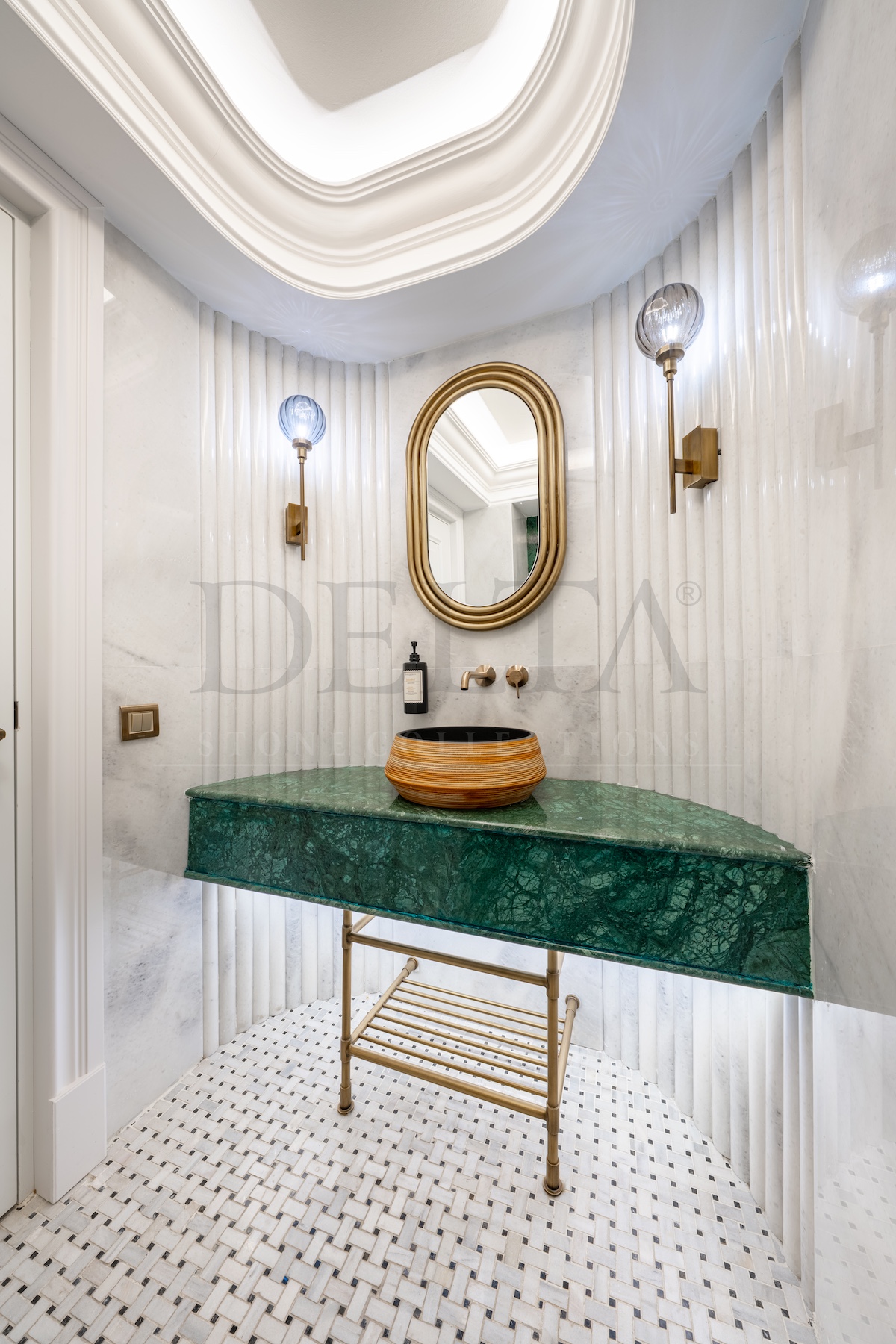
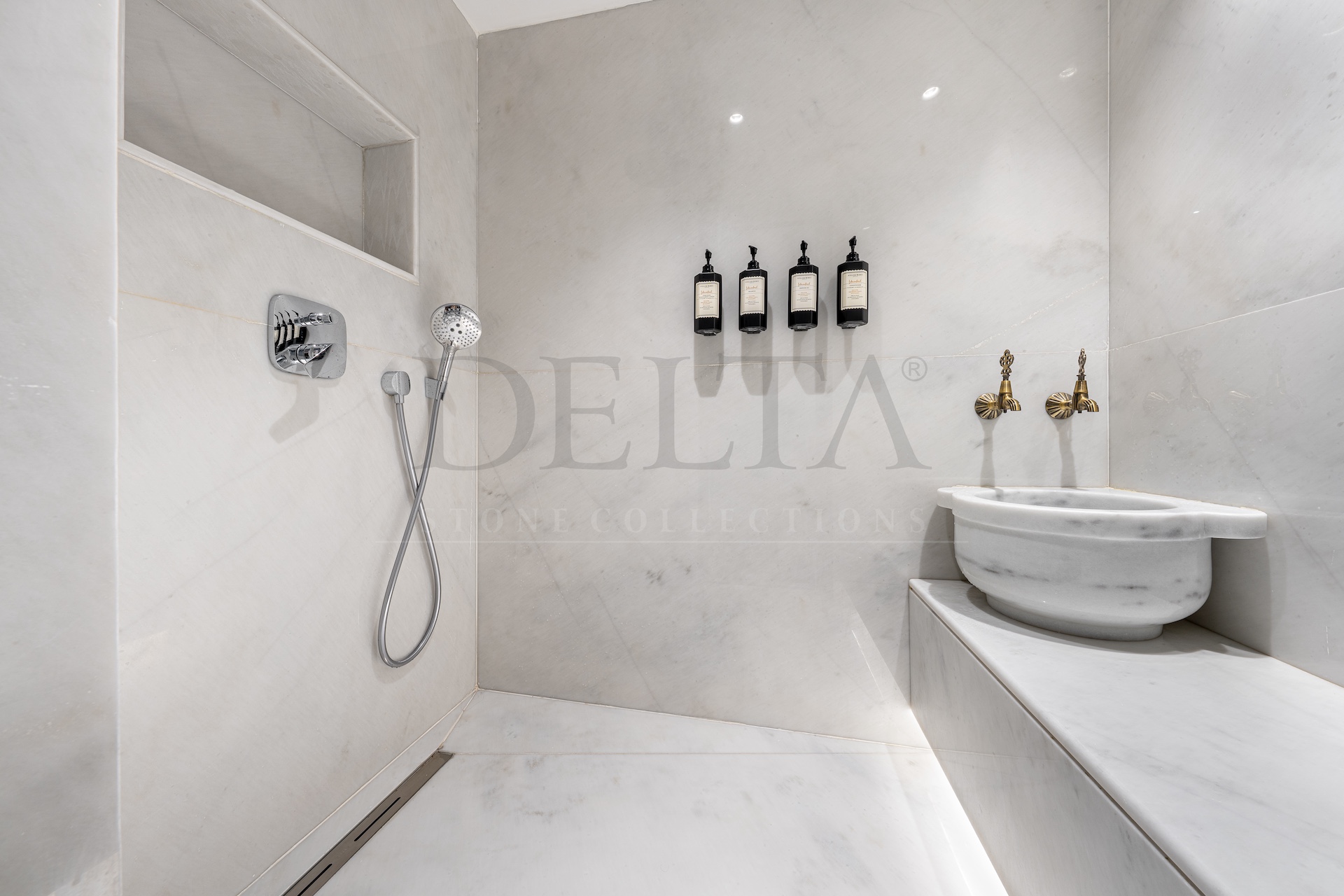
The Character of Marble: The Power of Time and Pressure
Marble is formed when limestone undergoes metamorphism (transformation) deep underground under incredible heat and pressure. This process gives marble extraordinary density, hardness, and those famous fine vein patterns.
- Architectural Perception: Luxury, grandeur, smoothness, and prestige.
- Texture: Tight, homogeneous, and a smooth surface that can shine like a mirror when polished.
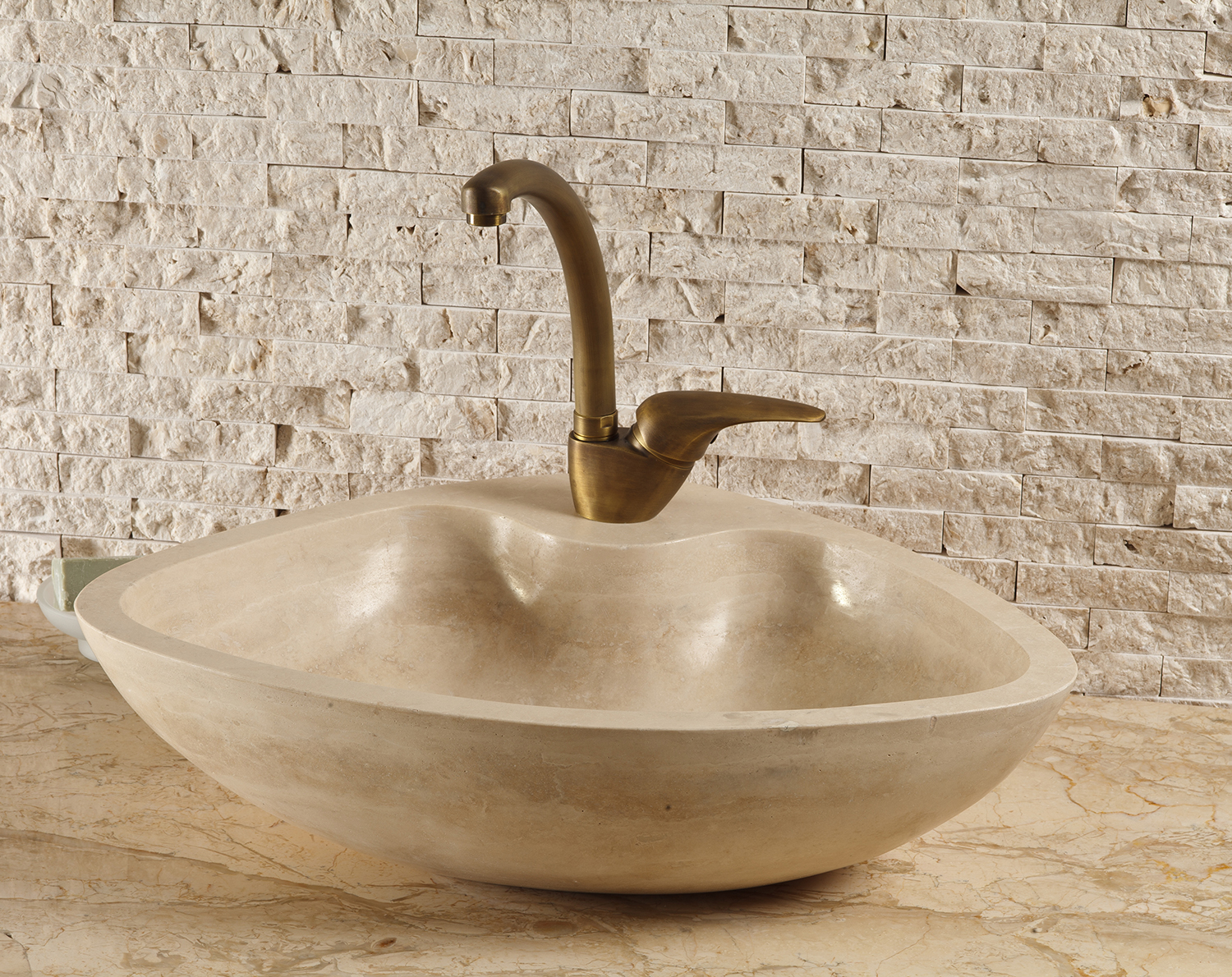
The Soul of Travertine: The Poetry of Water and Wind
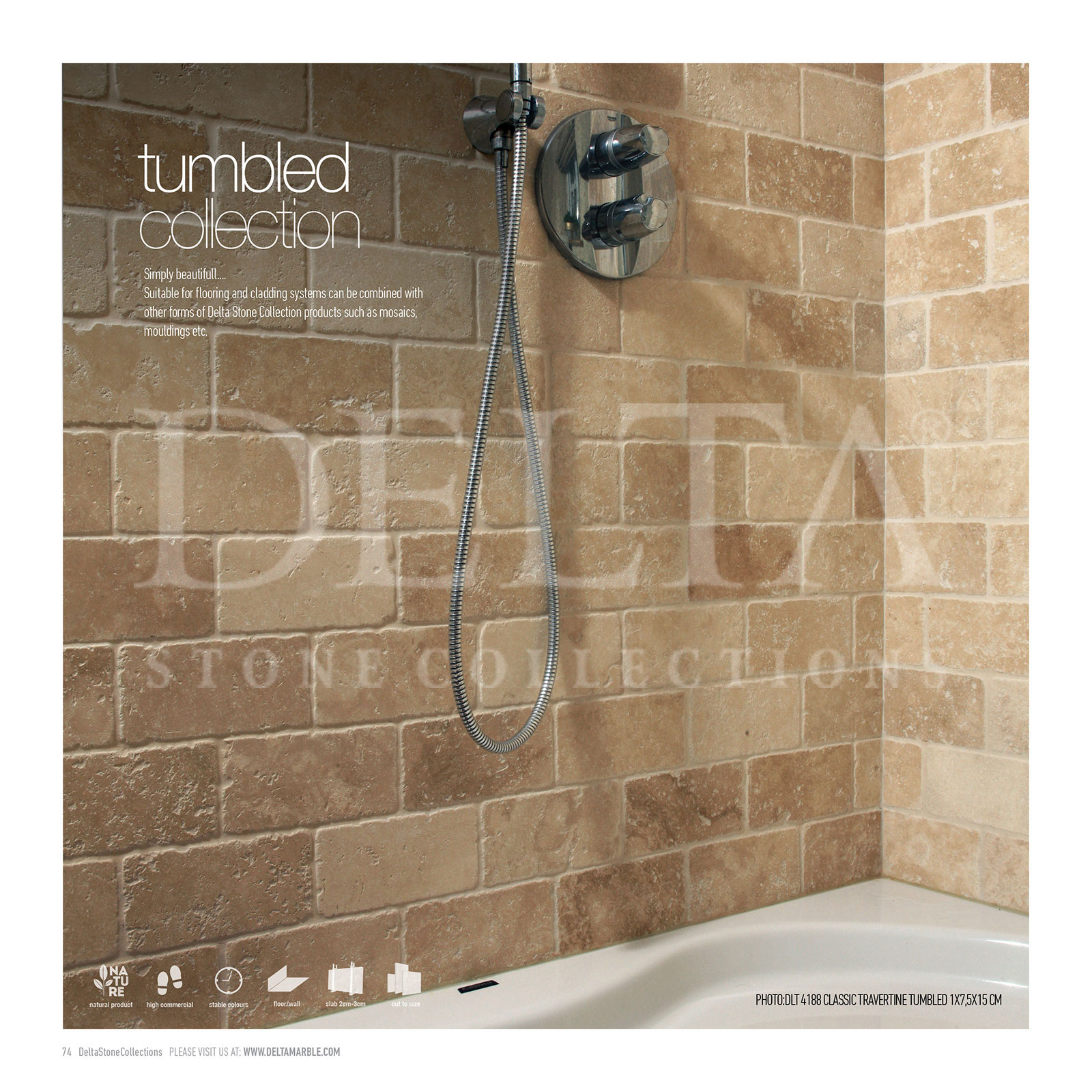
Travertine, on the other hand, has a much more “dynamic” birth process compared to marble. It is formed around hot springs and thermal waters rich in calcium carbonate through the precipitation of minerals (sedimentary process). The gas bubbles left behind as the water escapes create the characteristic porous and pitted structure of travertine.
- Architectural Perception: Naturalness, Mediterranean breeze, warmth, rustic, and a timeless past.
- Texture: Porous, fibrous, and matte surfaces that give an earthy feeling of warmth when touched.
2. Architectural Comparison Analysis
In your projects, you have to melt budget, aesthetics, and functionality in the same pot. The following comparison table presents a technical map of why you should choose which stone during the design phase:
| Comparison Criteria | Marble | Travertine |
|---|---|---|
| Geological Origin | Metamorphic (High pressure and heat) | Sedimentary (Hot water precipitation) |
| Surface Structure | Dense, non-porous, smooth | Porous, pitted (Filled or unfilled) |
| Light Reflection | High (Excellent reflection on polished surfaces) | Low (Usually matte or semi-matte/honed) |
| Slip Resistance | Low (Slippery when wet if polished) | High (Slip-resistant thanks to its natural pores) |
| Thermal Conductivity | Feels cold, conducts heat quickly | Traps heat, does not overheat under the sun |
| Wear Resistance | High (Highly suitable for heavy foot traffic) | Medium (Wears with a rustic patina on outdoor floors) |
| Budget Segment | Generally premium/luxury | Generally medium/economical |
3. Which One for Which Area? Scenario Analyses

In architecture, there is no “one stone fits all”. The right stone becomes legendary when used in the right place. Here are my recommendations for different areas in your projects:
Living Room, Entrance, and Hallways (Visual Focal Points)
In a residence or villa project, the entrance hall is the first emotional connection guests establish with the space.

- My Choice: Marble.
- Why? Large-format (bookmatch) veined marble flooring instantly adds an “art gallery” feel to the entrance. Thanks to its light-reflecting power, it makes entryways look wider and brighter. The inviting gleam of polished marble in entrances is unmatched.
Architect’s Note: If you want to create a warmer, more intimate chalet or Mediterranean atmosphere in the living room to accompany a crackling fireplace, brushed travertine can be a fantastic alternative to marble here.
Pool Sides and Outdoor Terraces
Outdoor design must withstand the harsh conditions of nature (sun, rain, freeze-thaw cycles).
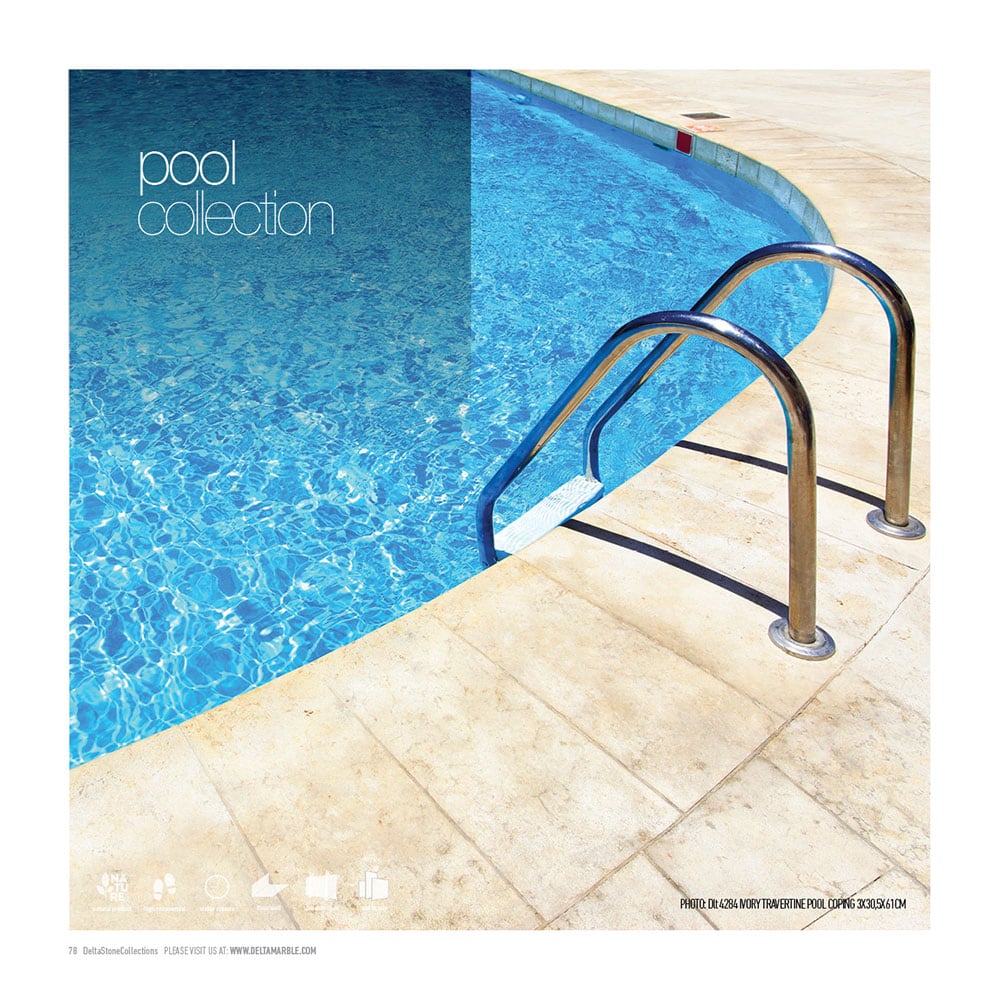
- My Choice: Travertine.
- Why? Using marble around a pool is a significant safety hazard; wet marble essentially turns into an ice rink. Travertine, on the other hand, absorbs water with its porous structure and provides natural slip resistance. Most importantly, while marble becomes hot enough to burn feet under direct summer sunlight, travertine stays cool thanks to its cellular cavities. The comfort of walking barefoot by the pool is priceless.
Bathrooms and Wet Areas
In bathroom designs, both hygiene and safety are paramount.
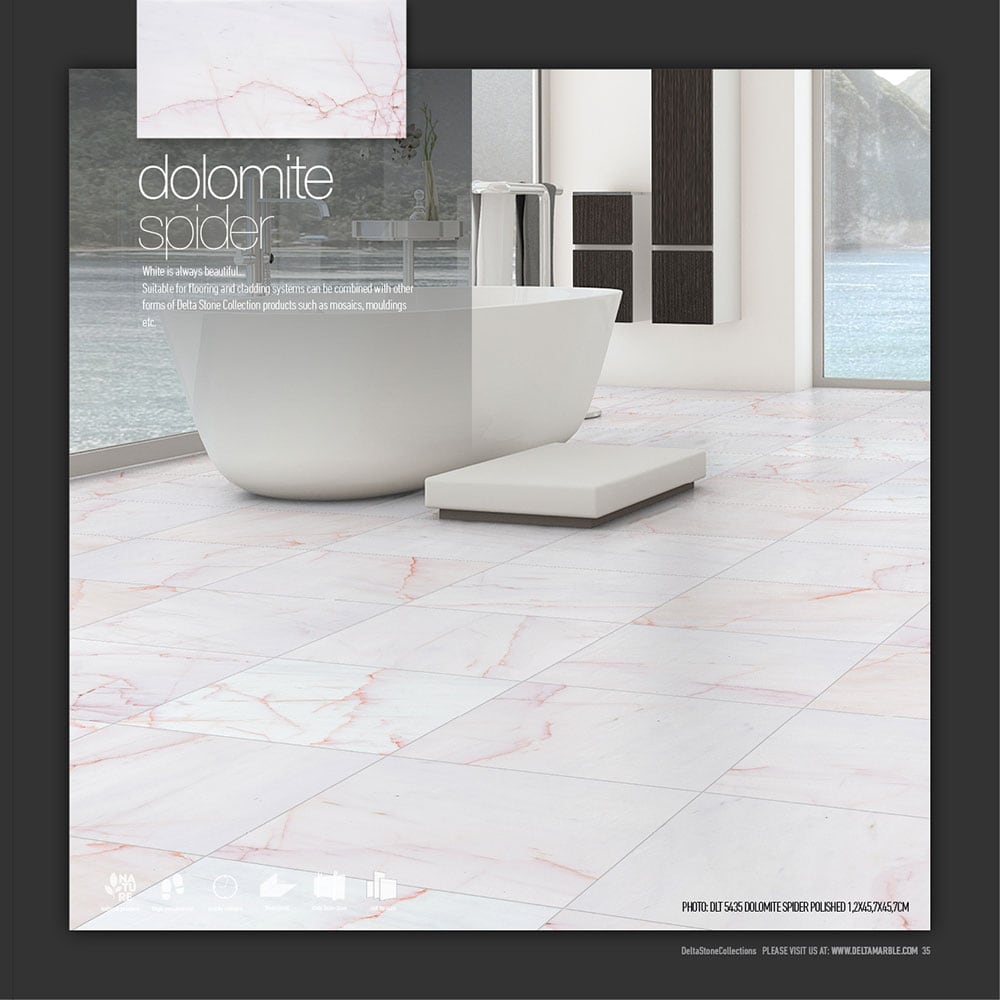
- My Choice: Both depending on the situation, but with different processing methods.
- How? If you want a luxury spa feel in your bathroom, you can use marble in large slabs for wall coverings. However, if you prefer travertine for the floor, you must ensure that its pores are filled with special cement or clear epoxy fillers (filled travertine) and that the surface is unpolished (honed). This prevents water from seeping into the stone and minimizes the risk of slipping.
Kitchen Countertops
The kitchen is the most demanding chemical and mechanical testing ground in a home. Lemon juice, vinegar spills, knife marks…
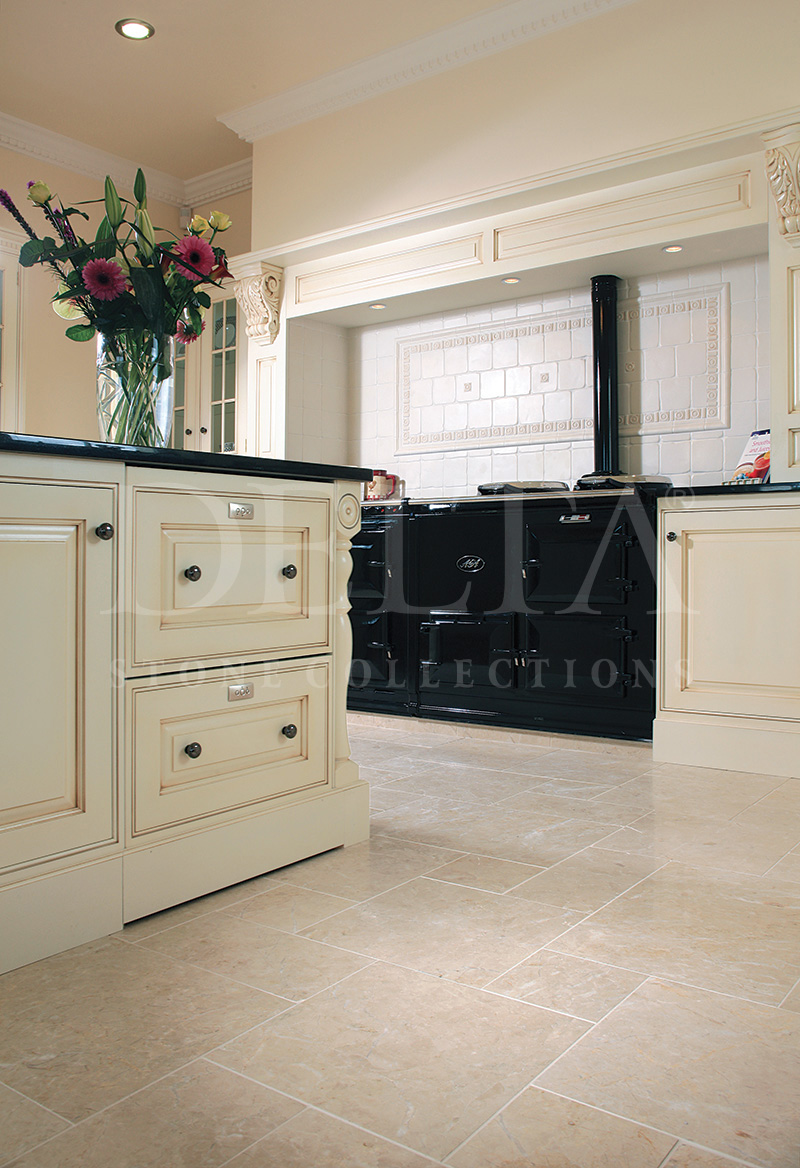
- My Choice: Marble, provided it is used with care (though Quartzite or Granite are more practical than both).
- Why? Since travertine is highly porous, it absorbs acidic foods quickly on a kitchen countertop and stains easily. Marble is also sensitive to acid, but it is much denser than travertine. If you do not want to give up the elegance of natural stone in the kitchen, you must agree to apply a protective sealer (sealant) to your marble countertop at least once a year.
4. Care and Protection: Extending the Life of the Stones
Natural stones are living materials; they age, develop a patina, and acquire character. However, improper care ruins the stone instead of beautifying this process.
- Acid is the Enemy: Both marble and travertine contain calcium carbonate. This means anything acidic (lemon, vinegar, cleaning agents, etc.) will dissolve the stone on a microscopic level. You should only use pH-neutral cleaners for cleaning.
- Sealing (Impregnator): Protective sealers should be applied to seal the pores against water and stains, especially for outdoor travertine or bathroom marble. This process does not prevent the stone from breathing but delays the staining time.
5. Frequently Asked Questions (FAQ)
Is travertine cheaper than marble?
As a general rule, yes, travertine can be obtained with a more economical budget compared to marble. However, the price differences can vary between special color variations of travertine, such as Silver or Noche, and some rare types of marble (e.g., Calacatta). To optimize your project budget, you can use travertine in wide areas and marble in focal points.
Do travertine pores fill with dirt over time?
Travertine used indoors is filled during fabrication (filled travertine). Thanks to this filling process, the surface becomes smooth and prevents dirt from accumulating inside the holes. For outdoors (especially garden paths or split-face stone wall claddings), unfilled travertine is used; dust and soil in these areas are easily washed away with water, which feeds the natural aged appearance of the stone.
Which one is safer on wet floors?
Definitely travertine. Its natural pores and its common use with honed (matte) or brushed surface finishes make it a much safer and slip-resistant option on wet floors compared to marble.
Which one is more durable for exterior cladding?
Both stones can be safely used on exterior facades. However, thanks to its porous structure, travertine adapts better to thermal expansion (day-night temperature fluctuations) than marble. The reason travertine is preferred on the facades of many historical public buildings in Turkey and around the world is this flexible structure and its time-defying posture.
The Architect’s Final Word
I am in love with both stones in my projects. If I aim for a modern, smooth, minimalist, and ultra-luxurious line in my design, my hand always reaches for the marble palette. However, if my goal is to create a space that is warm, living, integrated with nature, evoking a sense of touch, and carrying the Mediterranean spirit, travertine is an indispensable canvas for me.
The right choice depends on which emotion you want to bring to the forefront in your project’s story. Do not rush when bringing these unique materials, prepared by nature over millions of years, into your spaces; feel the texture of the stones and listen to the voice of your project.
Explore our marble and travertine products.