



Travertine is a building material that stands out among natural stones with both its aesthetic appeal and durability, especially with rich reserves in Turkey. Frequently preferred in interior and exterior designs, travertine is divided into different types based on color, texture, and surface finishes. In this guide, we explore travertine types, patterns, usage areas, and its place in decoration.
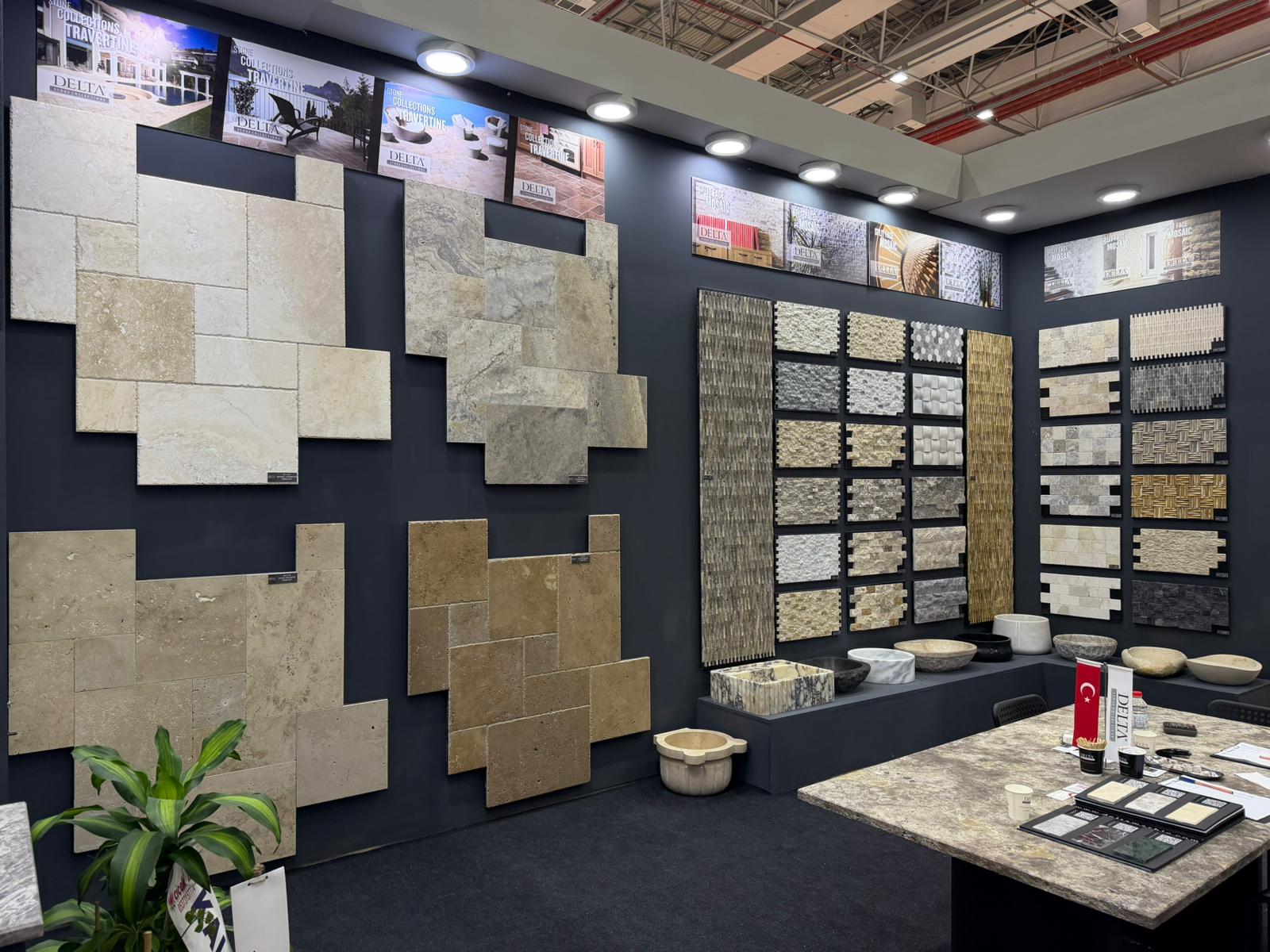
A comprehensive guide to travertine types, colors, patterns, and usage areas. Discover the most preferred travertine varieties in Turkey.
What is Travertine?
Travertine is a natural stone formed by calcium carbonate deposits. Thanks to its porous structure, it offers both aesthetic and functional use. Turkey holds an important position in global travertine production, especially with the Denizli region.
What Are Travertine Types?
Travertines are generally classified based on color, cut type, and surface finish.
1. Travertine Types by Color
- Beige Travertine: The most commonly used type, offering a natural and warm appearance.
- White Travertine: Preferred in modern and minimalist designs.
- Yellow Travertine: Stands out in classic designs.
- Gray Travertine: Ideal for industrial and modern architecture.
- Red Travertine: A rare and eye-catching option.
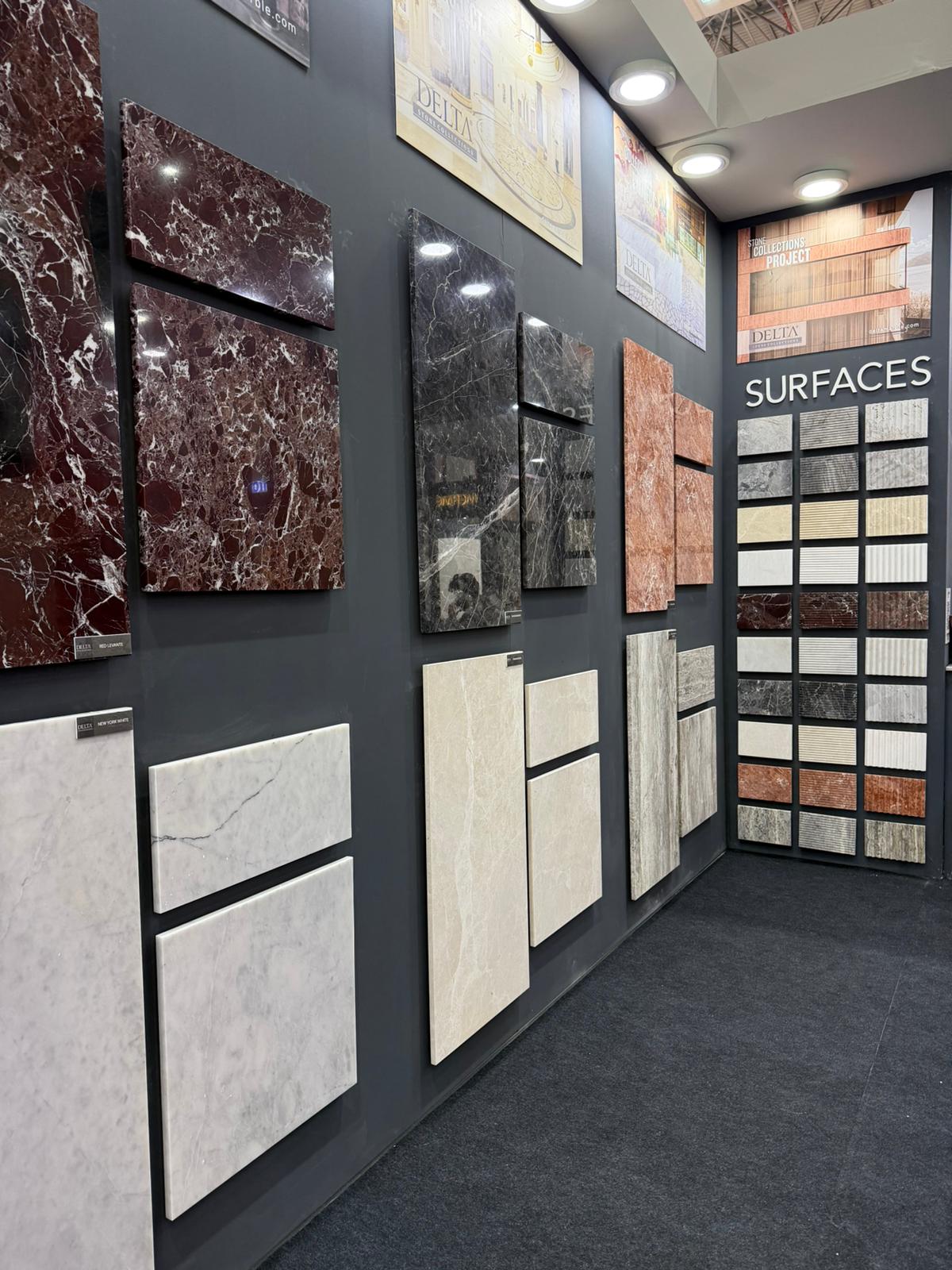
2. Travertine Types by Cut
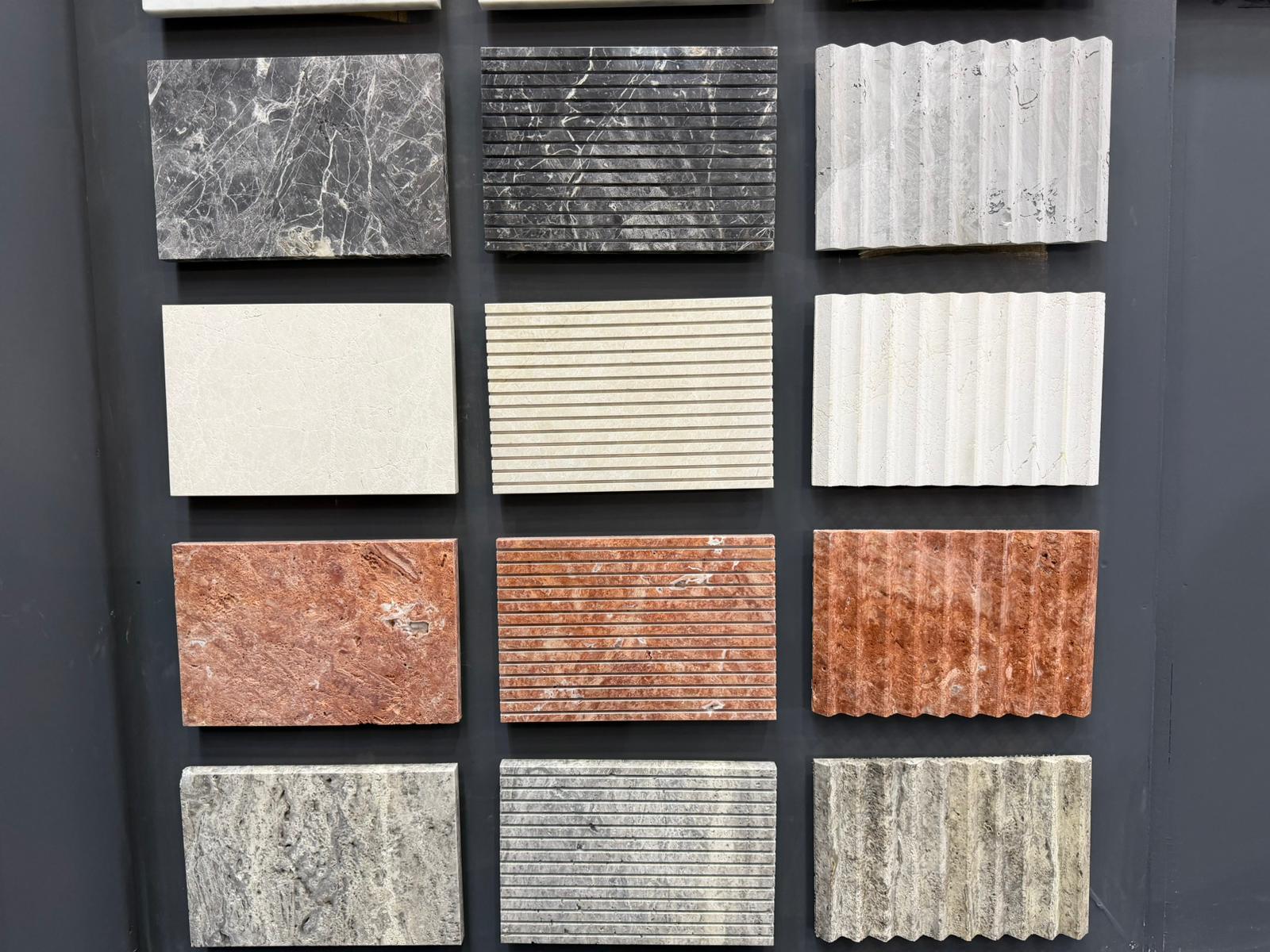
| Cut Type | Features | Usage Area |
|---|---|---|
| Vein Cut | Natural veins appear linear | Wall cladding, decorative areas |
| Cross Cut | Homogeneous and cloudy pattern | Flooring and large surfaces |
3. Travertine Types by Surface Finish
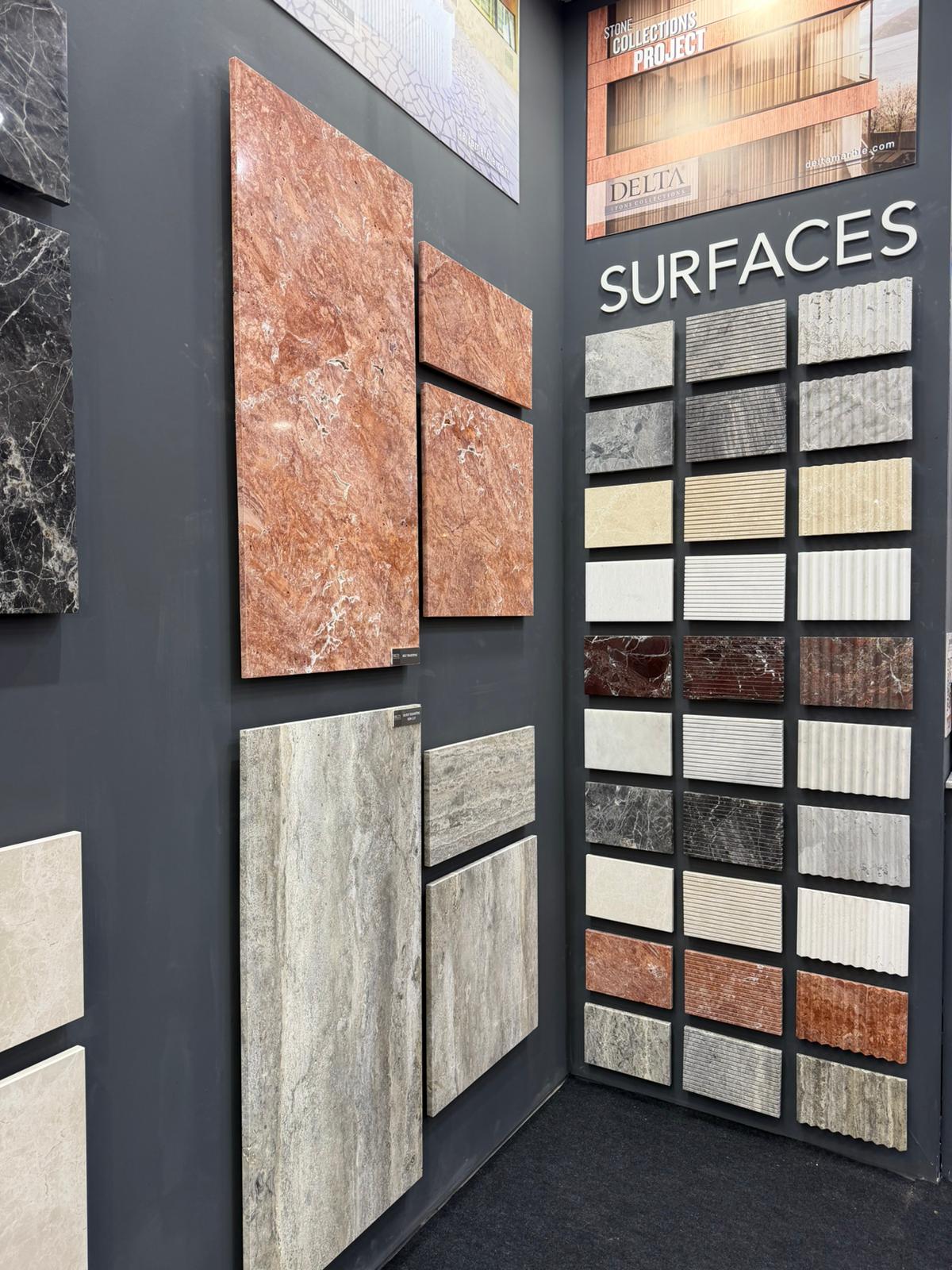
| Surface Type | Feature | Usage Area |
|---|---|---|
| Honed (Matte) | Smooth, matte surface | Interior flooring |
| Polished | Reflects light | Luxury interiors |
| Tumbled | Natural and rustic appearance | Garden and outdoor areas |
| Brushed | Slip-resistant surface | Poolside and outdoor areas |
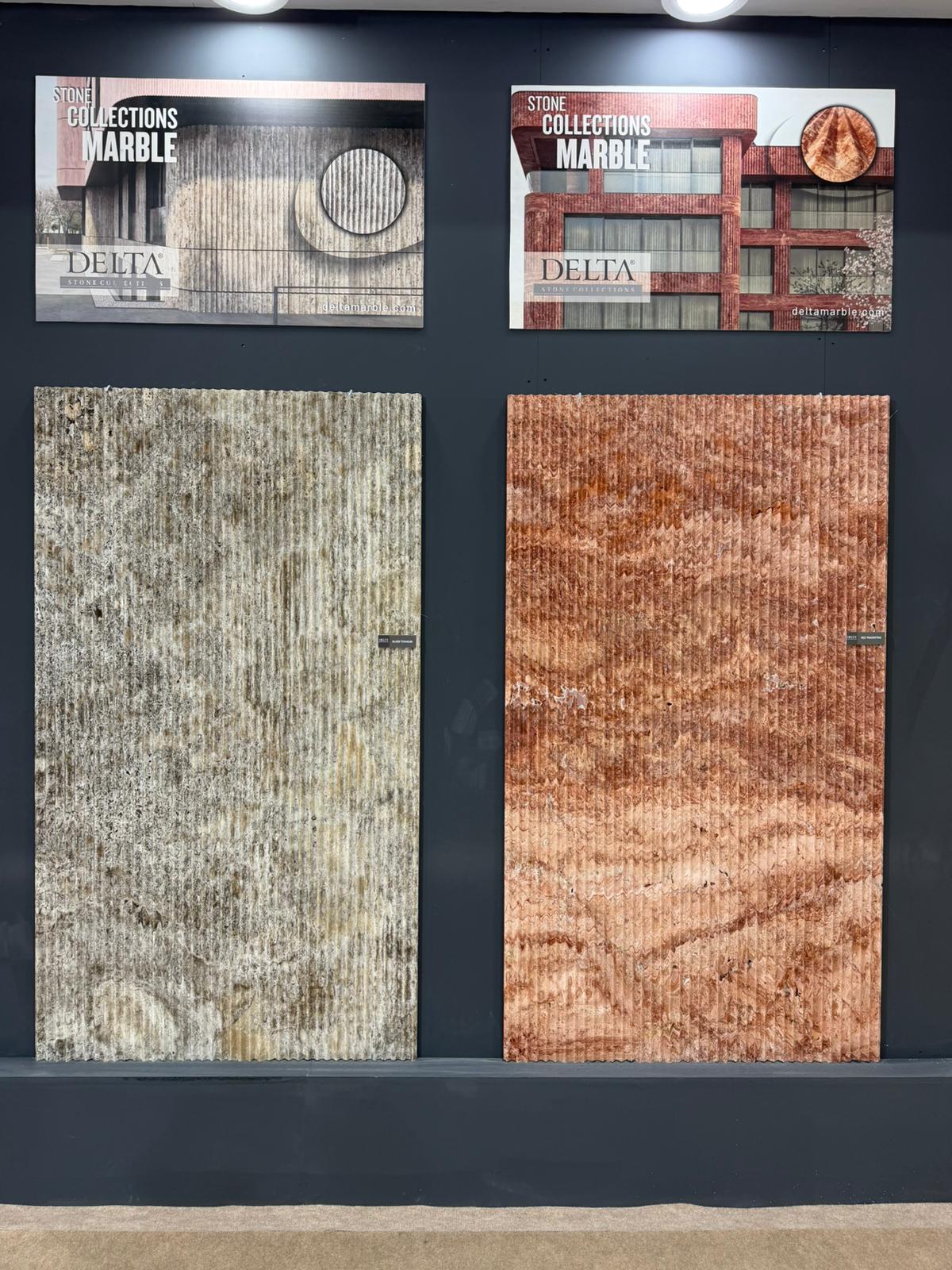
Most Preferred Travertine Types in Turkey
- Denizli Travertine: Known worldwide and the most exported type.
- Noce Travertine: Used in luxury projects with its brown tones.
- Silver Travertine: Preferred in modern designs with gray tones.
- Classic Beige Travertine: The most commonly used travertine type.

Travertine cuts, colors, patterns
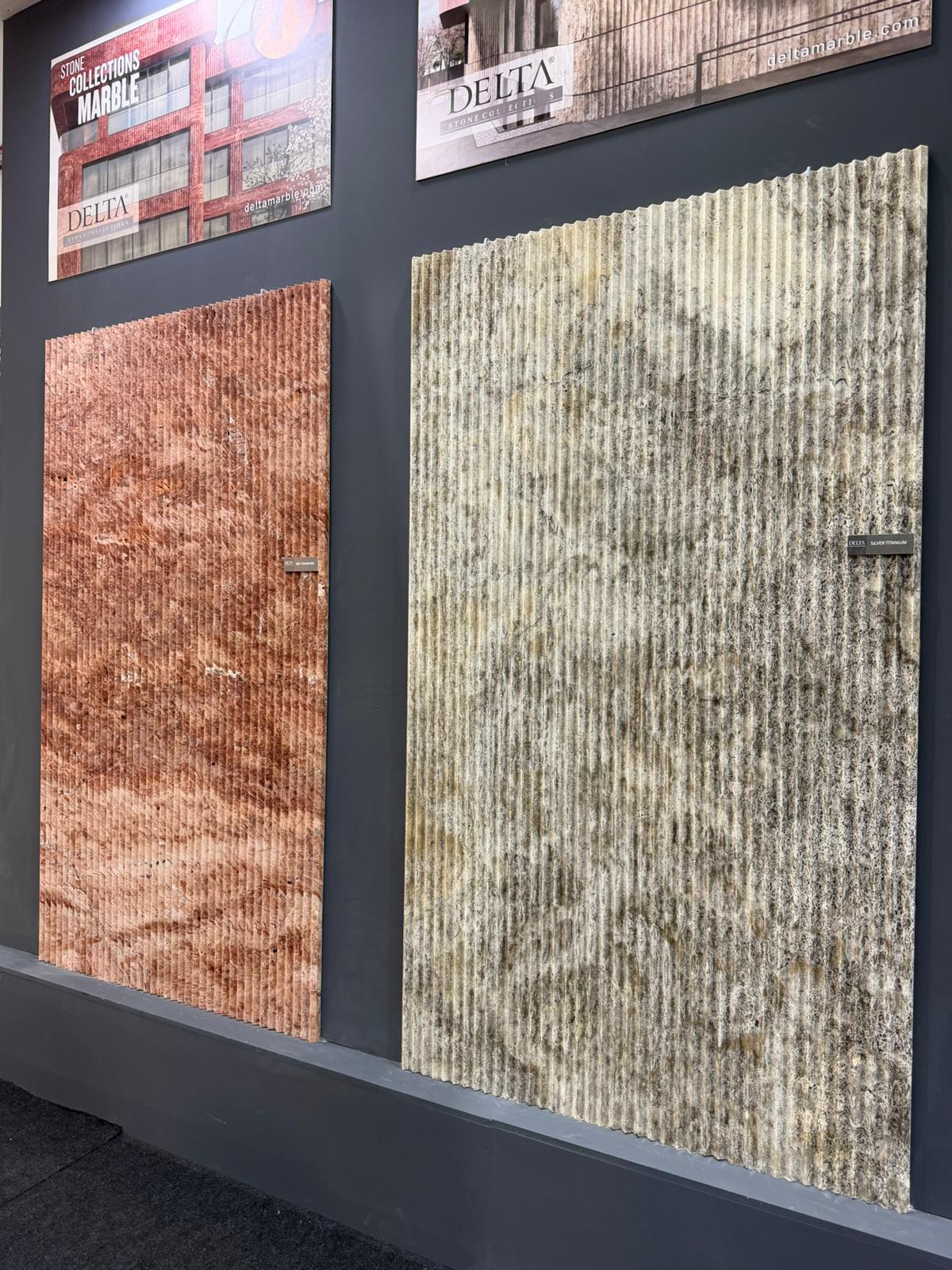
Travertine Usage Areas
Interior Use
- Flooring
- Bathroom and shower areas
- Kitchen countertops
- Wall decoration
Exterior Use
- Garden paths
- Poolside (non-slip surface)
- Facade cladding
Travertine vs Marble Comparison
| Feature | Travertine | Marble |
|---|---|---|
| Structure | Porous | Denser |
| Slip Resistance | Better | More slippery |
| Price | More economical | More expensive |
| Durability | High | Very high |
| Maintenance | May require filling | Less maintenance |
What to Consider When Choosing Travertine?
- Usage area (interior or exterior)
- Surface finish and slip resistance
- Color and decoration harmony
- Quality of pore filling
- Thickness and dimensions
Frequently Asked Questions
Is travertine water absorbent?
Yes, due to its porous structure it can absorb water. However, this can be controlled with proper filling and surface treatments.
Is travertine durable?
Yes, it provides long-lasting use in both interior and exterior applications.
Which is better, travertine or marble?
It depends on the usage area. Travertine is more advantageous in areas requiring slip resistance.
Is travertine expensive?
Compared to marble, it is generally more affordable.
In Summary
Travertine is an ideal building material for both interior and exterior spaces thanks to its natural structure, aesthetic appearance, and durability. Travertine varieties produced in Turkey are preferred worldwide due to their quality and price advantage. For the right choice, it is important to evaluate the usage area and surface characteristics together.
Review our travertine products. >>> Travertine Products